At the Eudist House
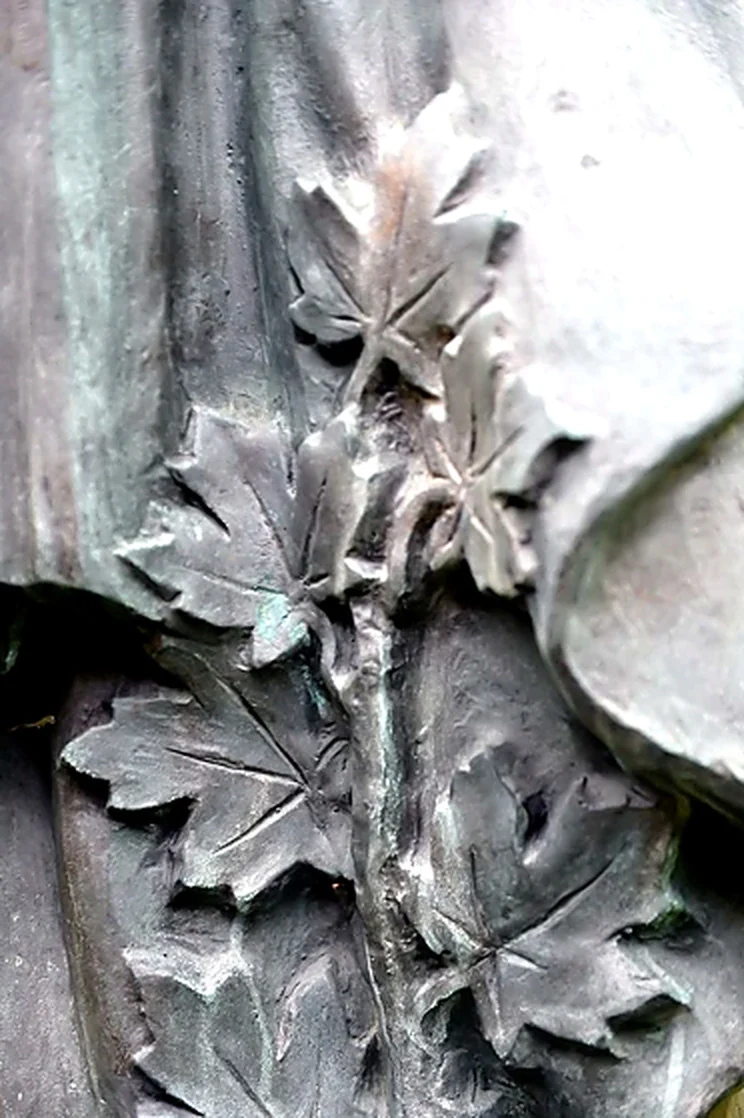
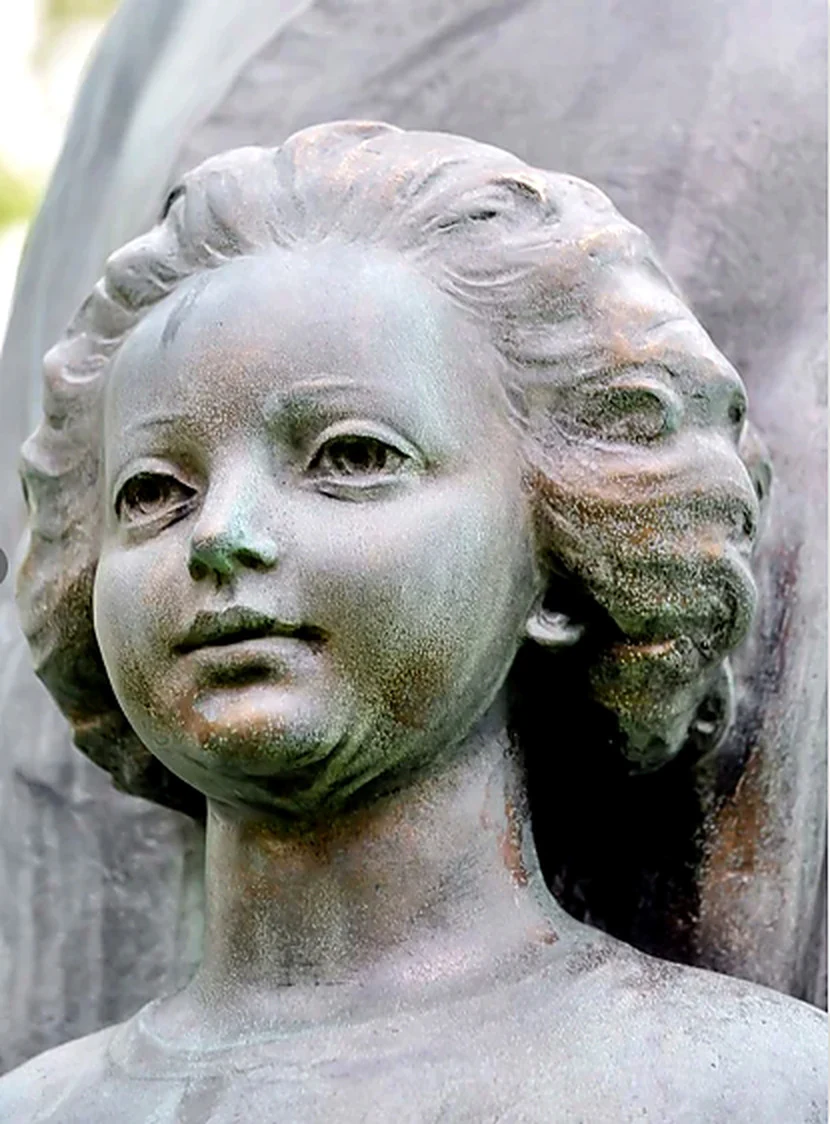
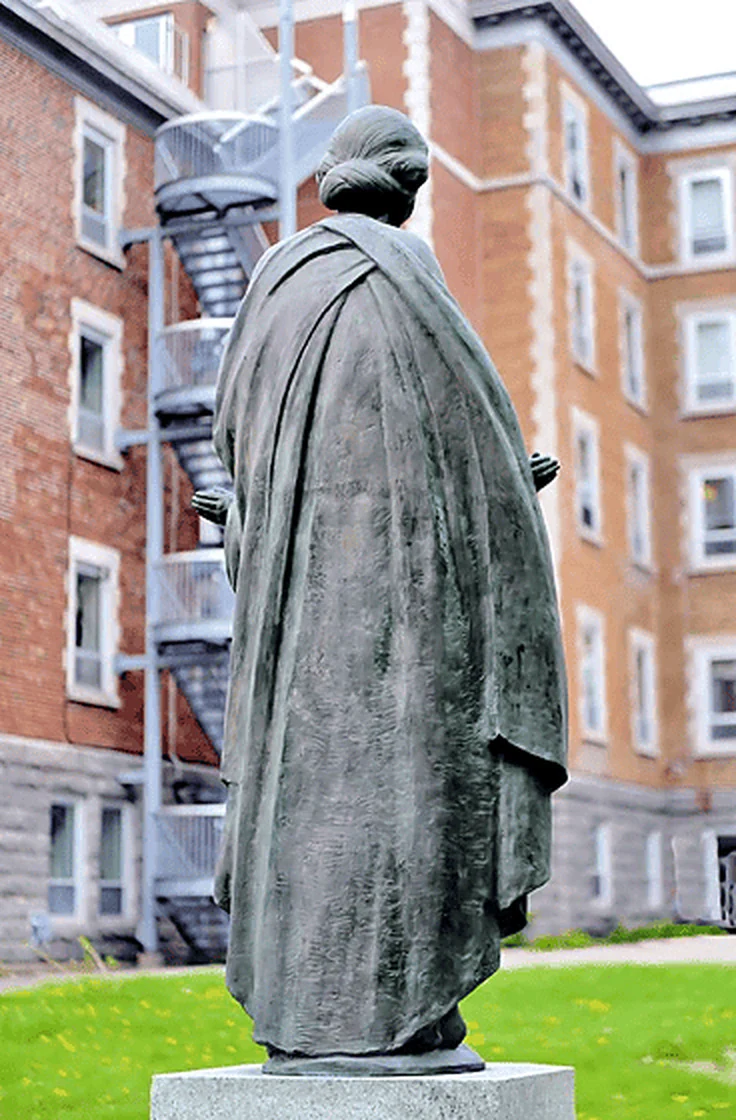
After Bishop Labrie’s death, the statue was moved to the Eudist House in Charlesbourg.
Marian heritage · Baie-Comeau
A statue commissioned by Bishop Labrie that returned to the North Shore nearly fifty years after his death.
Discover its story ↓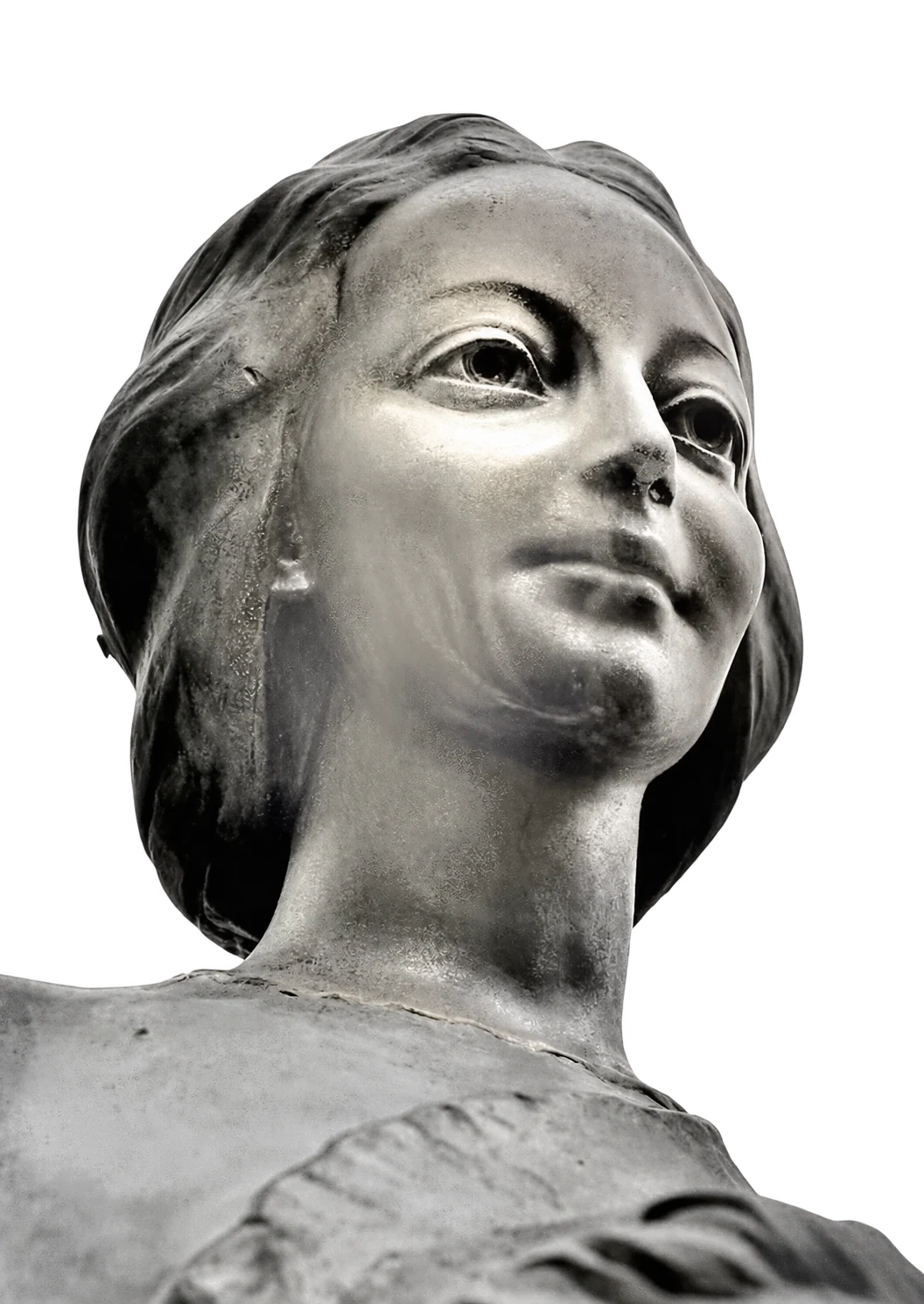
1957–1968 · Propagation of the Faith
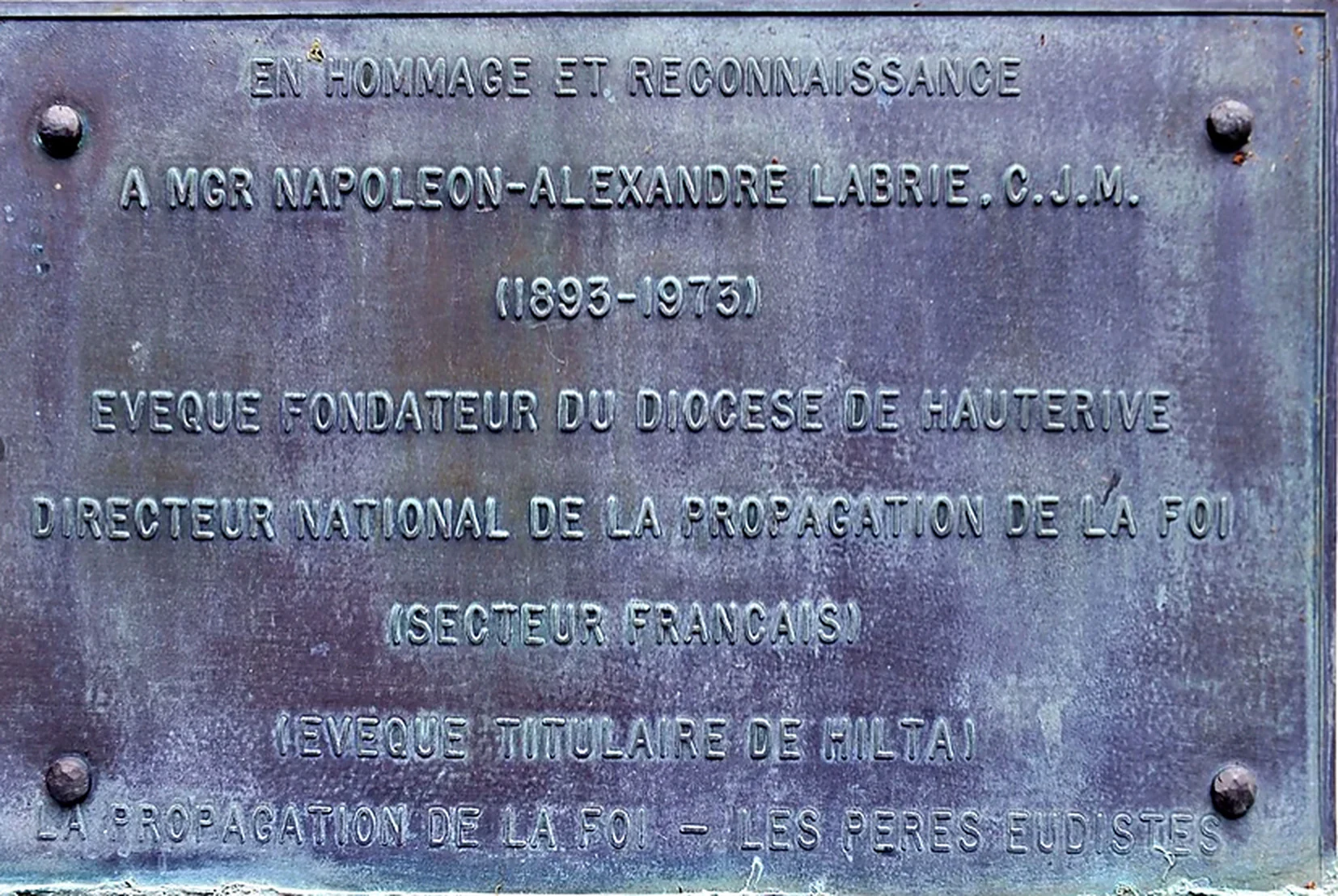
While chairing the French section of the Propagation of the Faith in Canada, Bishop Napoléon-Alexandre Labrie commissioned this work from sculptor Émile Brunet.
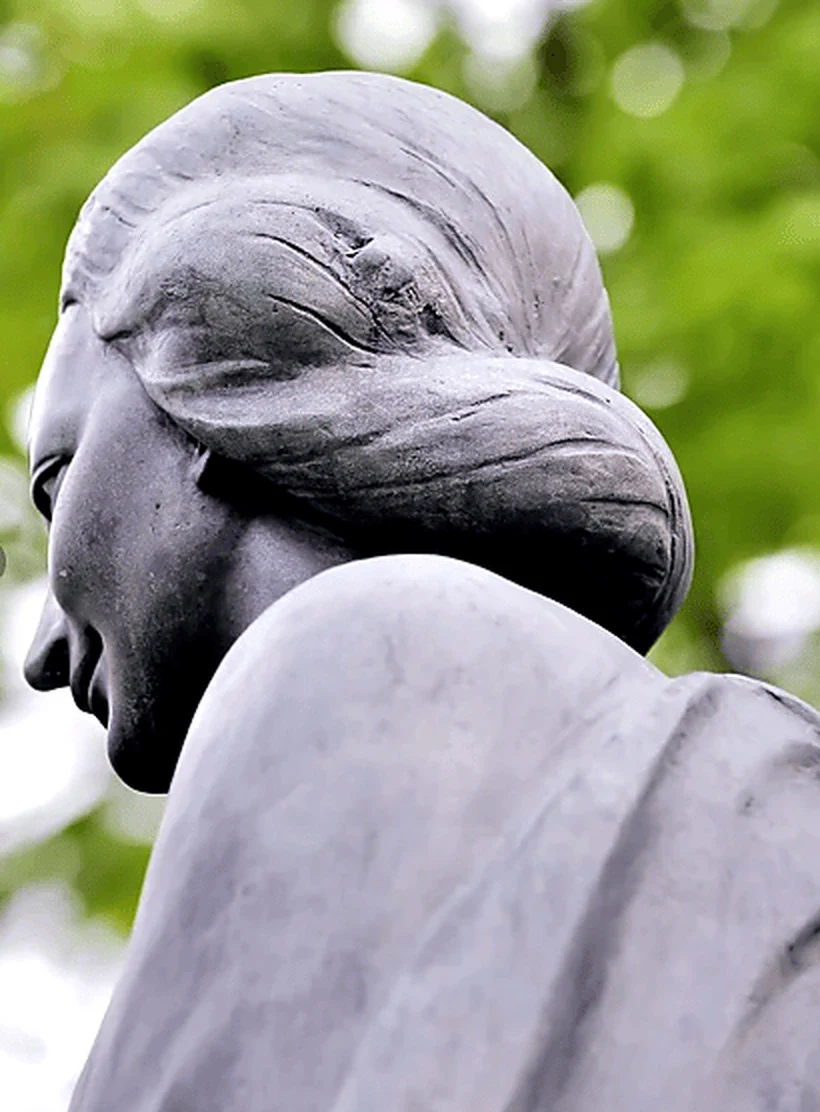
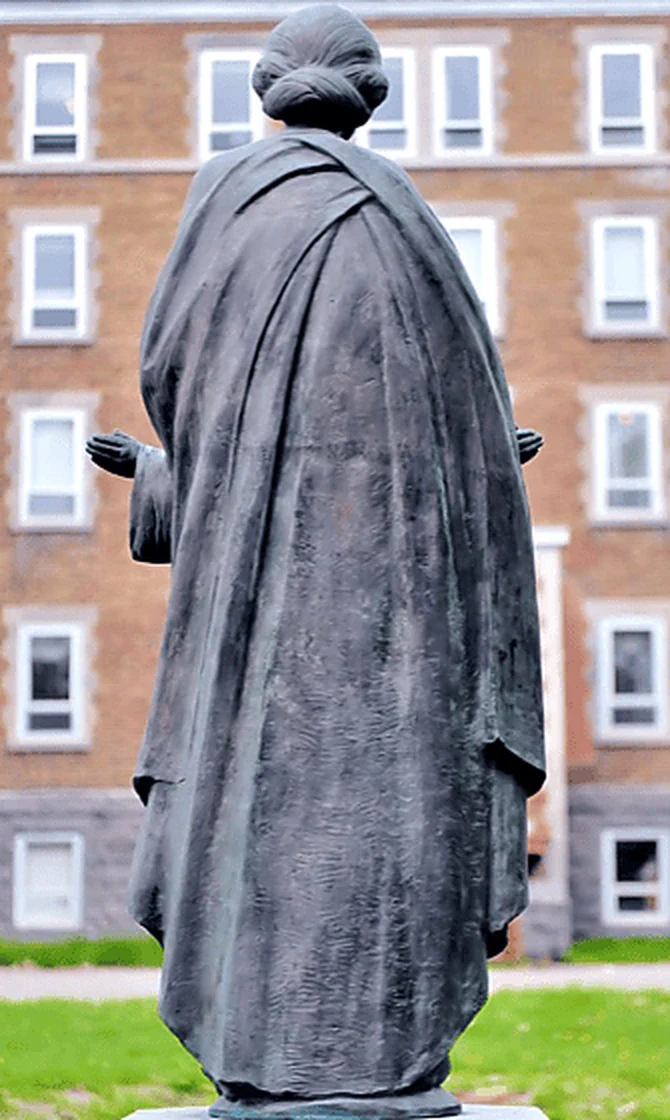
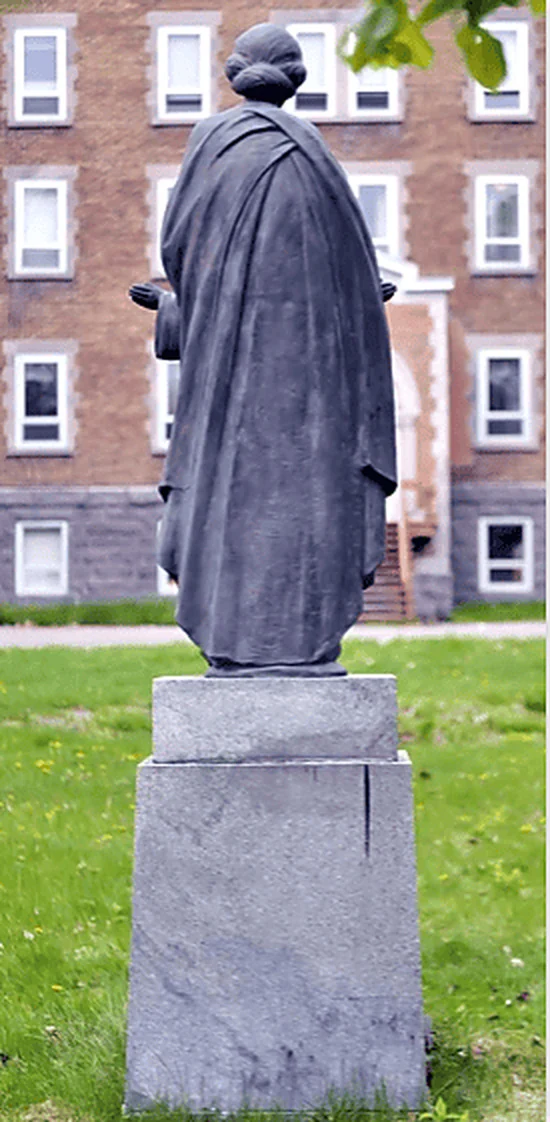
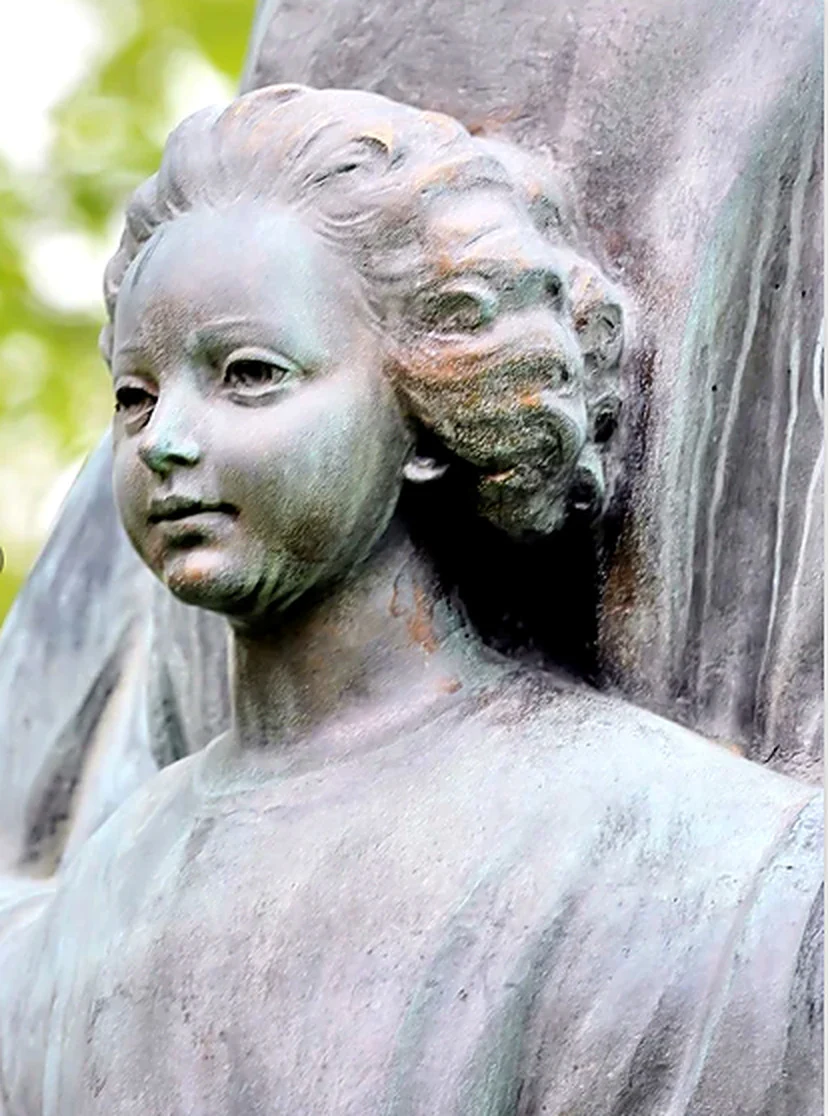
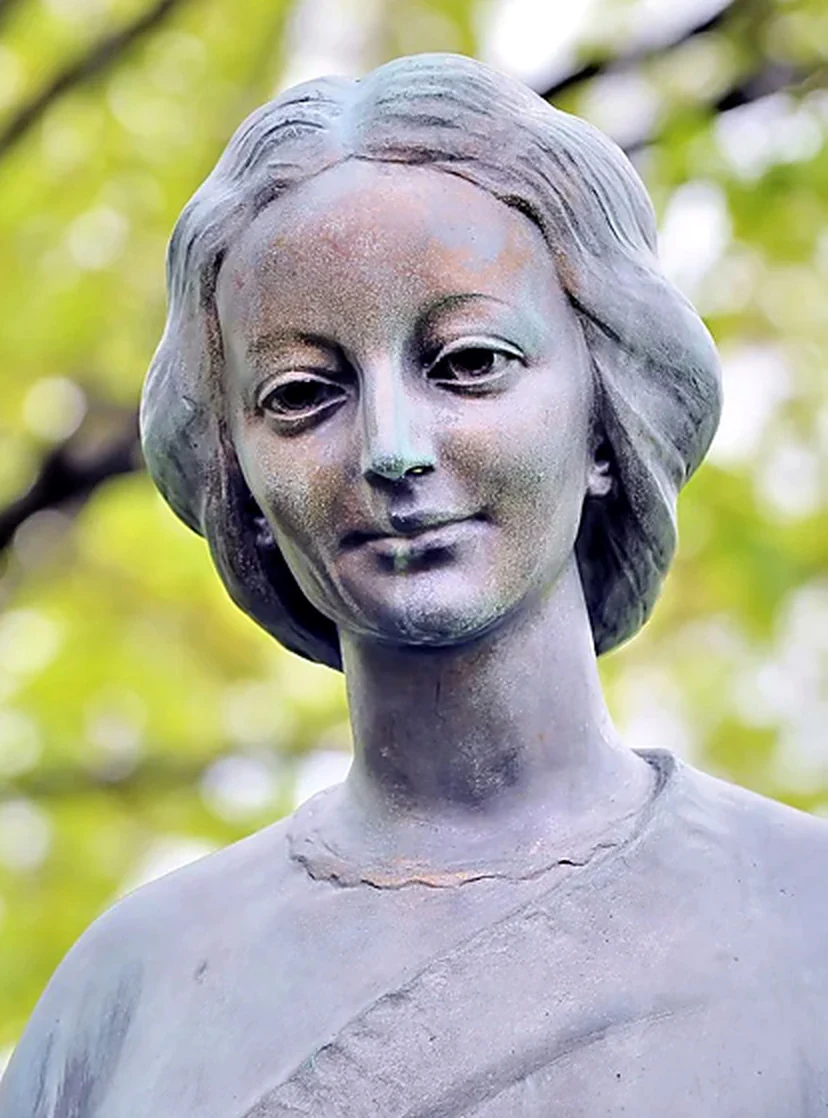
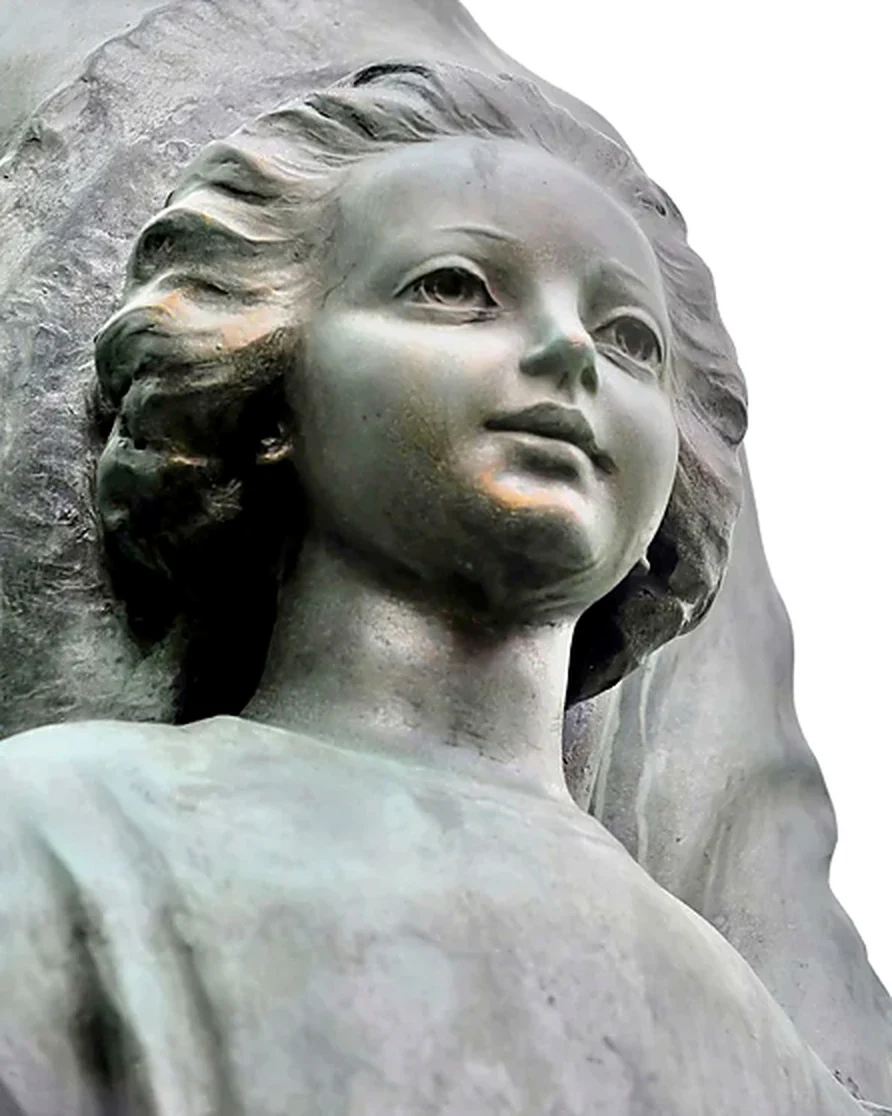
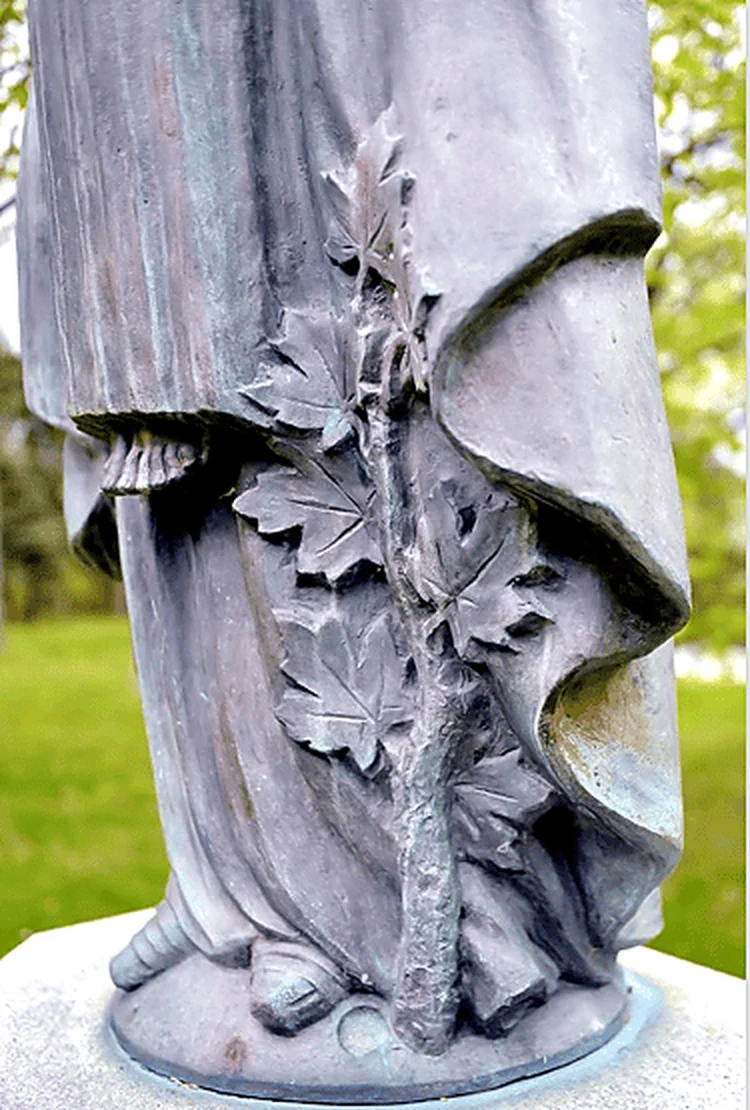
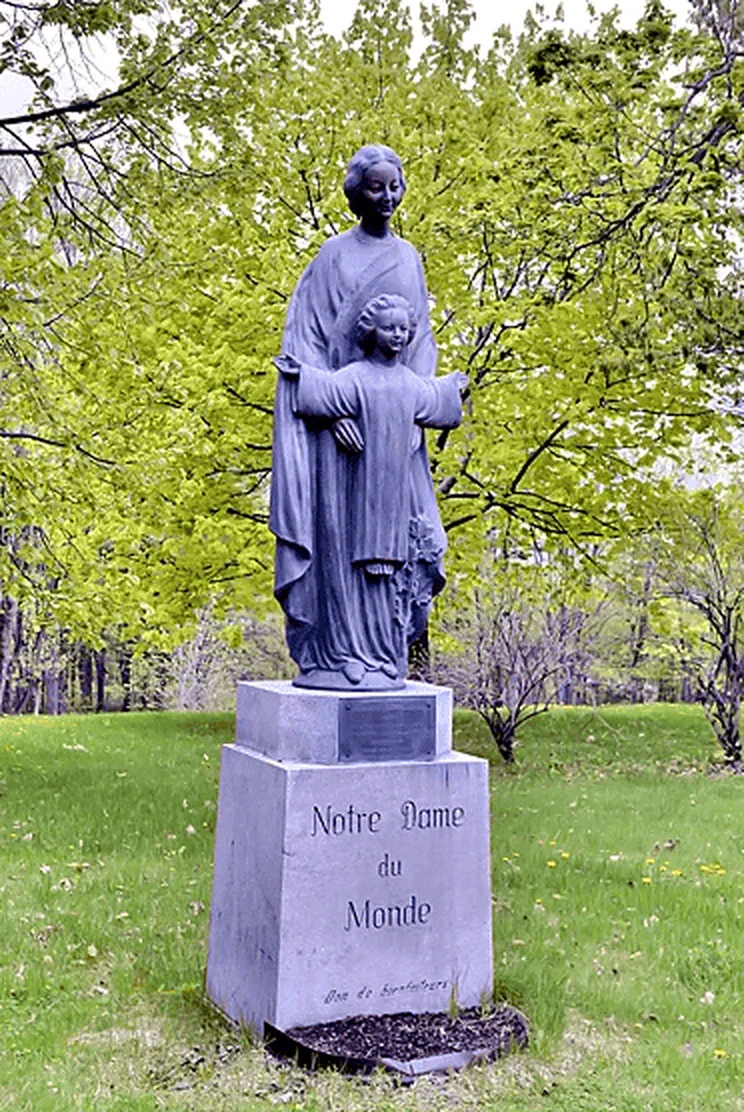
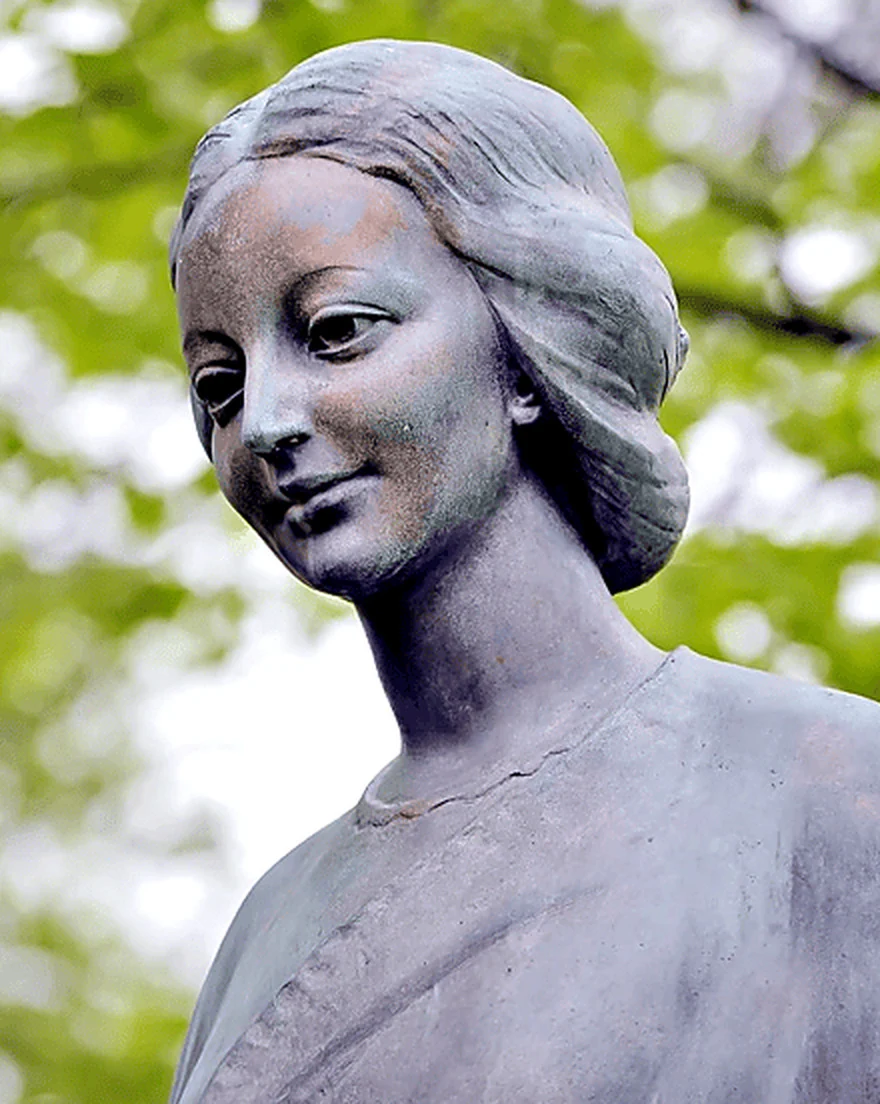
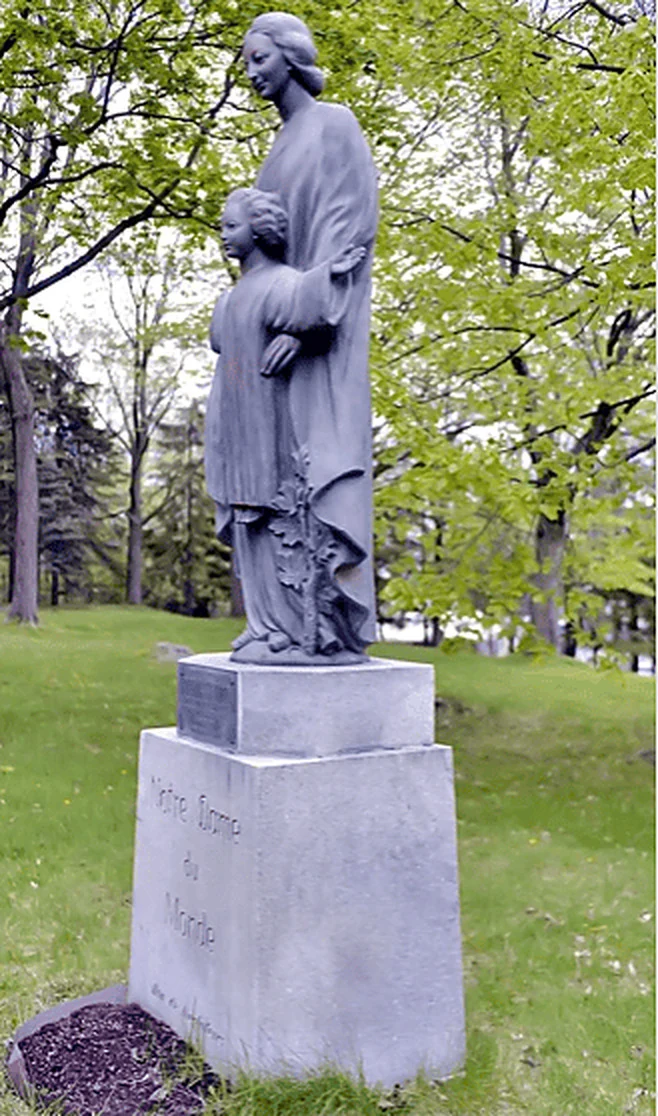
The statue depicts the Virgin Mary carrying the Child Jesus. After Bishop Labrie’s death, it was given to the Eudist Province and installed at the Eudist House in Charlesbourg.
The Eudists later sought to return it to the diocese founded by Bishop Labrie. The parish of La Nativité-de-Jésus received the statue and chose a Marian site for it: the forecourt of Saint-Nom-de-Marie Church in Baie-Comeau.
The bronze statue is about two metres tall and stands on a one-metre plinth. Since its installation, it has welcomed visitors near the stairs leading to the church parking lot.
A work passed on
The statue follows its commissioner’s journey: kept by the Eudists, it eventually returned to the Diocese of Baie-Comeau.
After Bishop Labrie’s death, the statue was moved to the Eudist House in Charlesbourg.
The Eudist community gave the statue to the parish of La Nativité-de-Jésus in Baie-Comeau. Michel Bourgoin’s team moved it.
Our Lady of the World was installed in front of Saint-Nom-de-Marie Church, where it can now be seen from the top of the steps.
The statue on the move
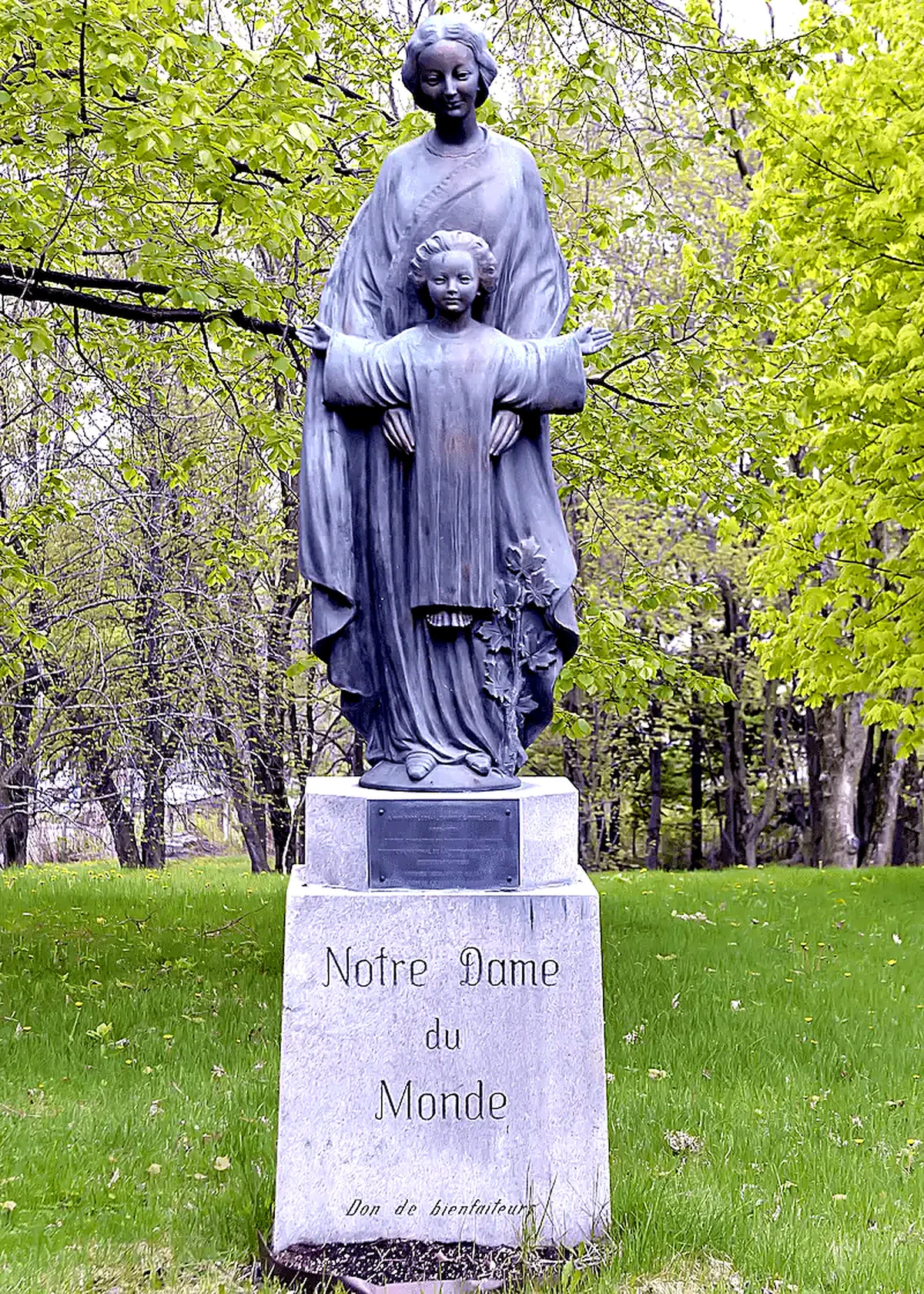
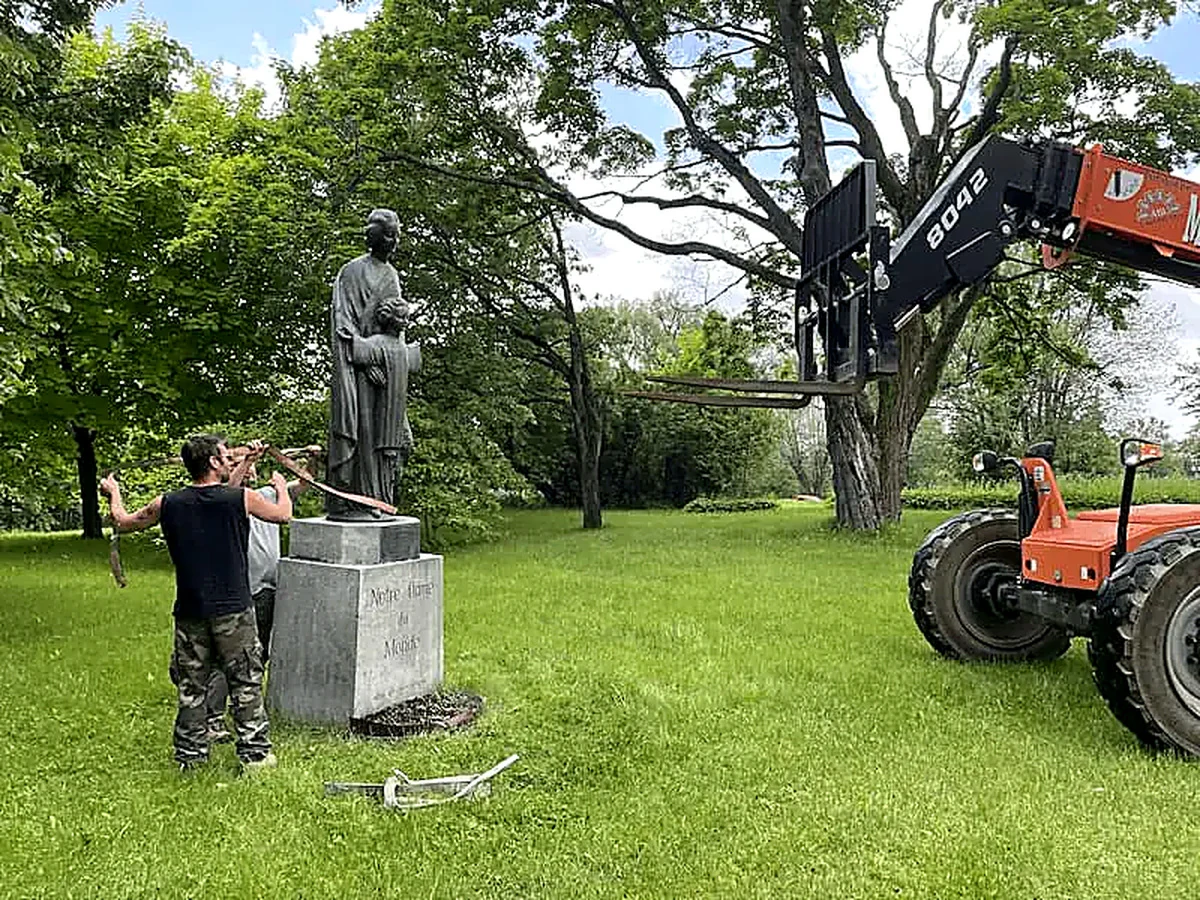
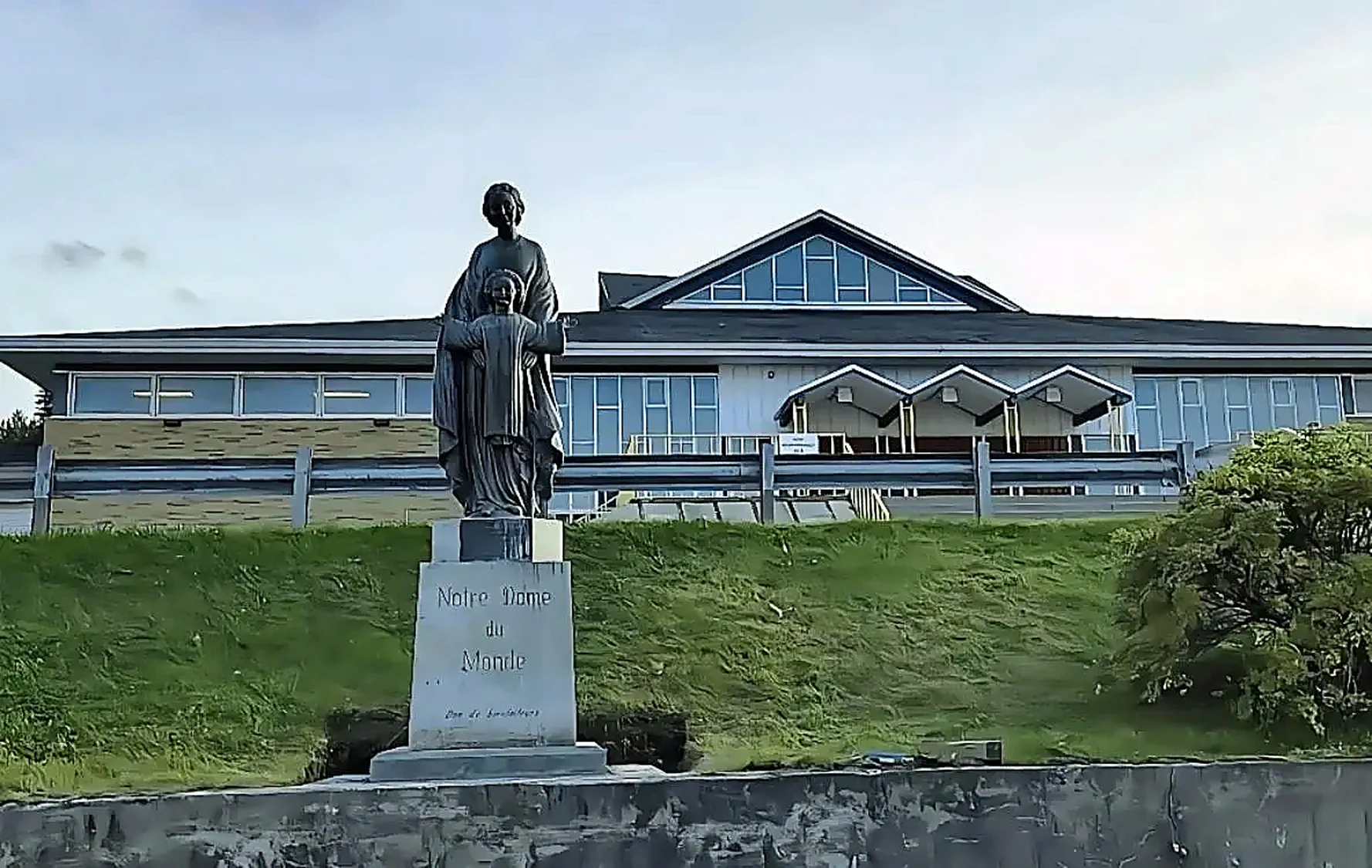
Eudist House · Charlesbourg
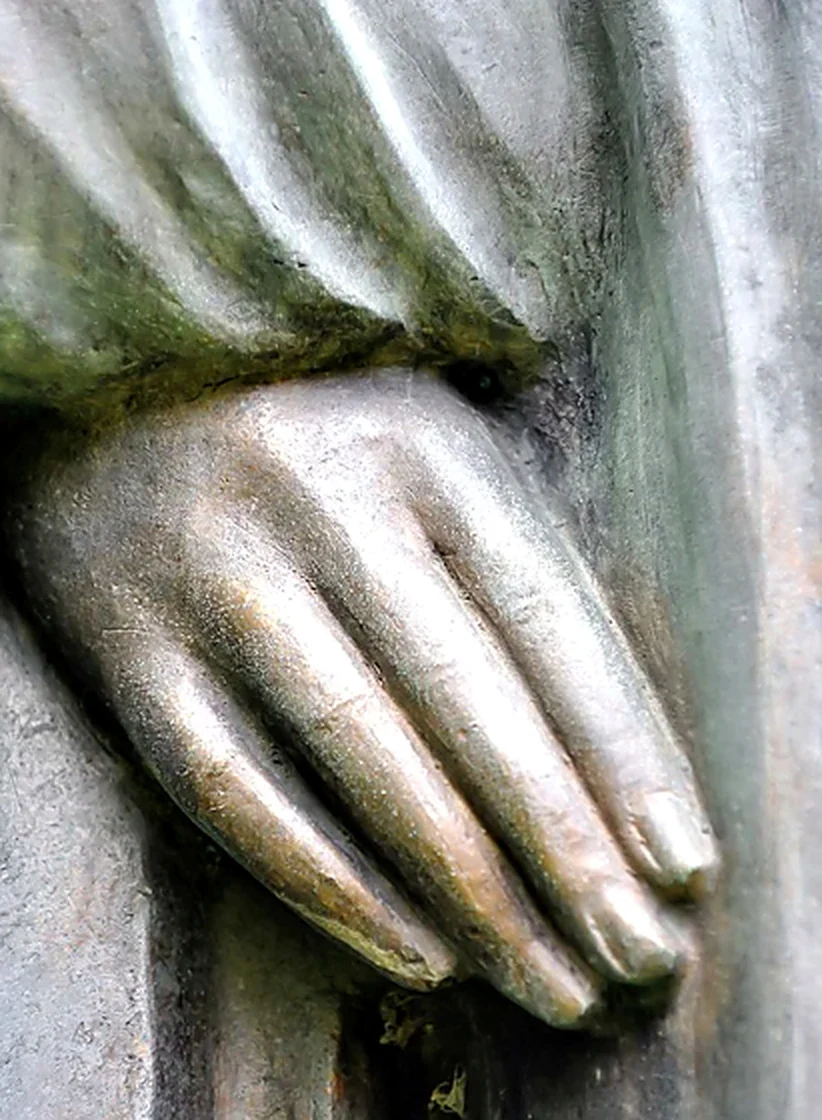
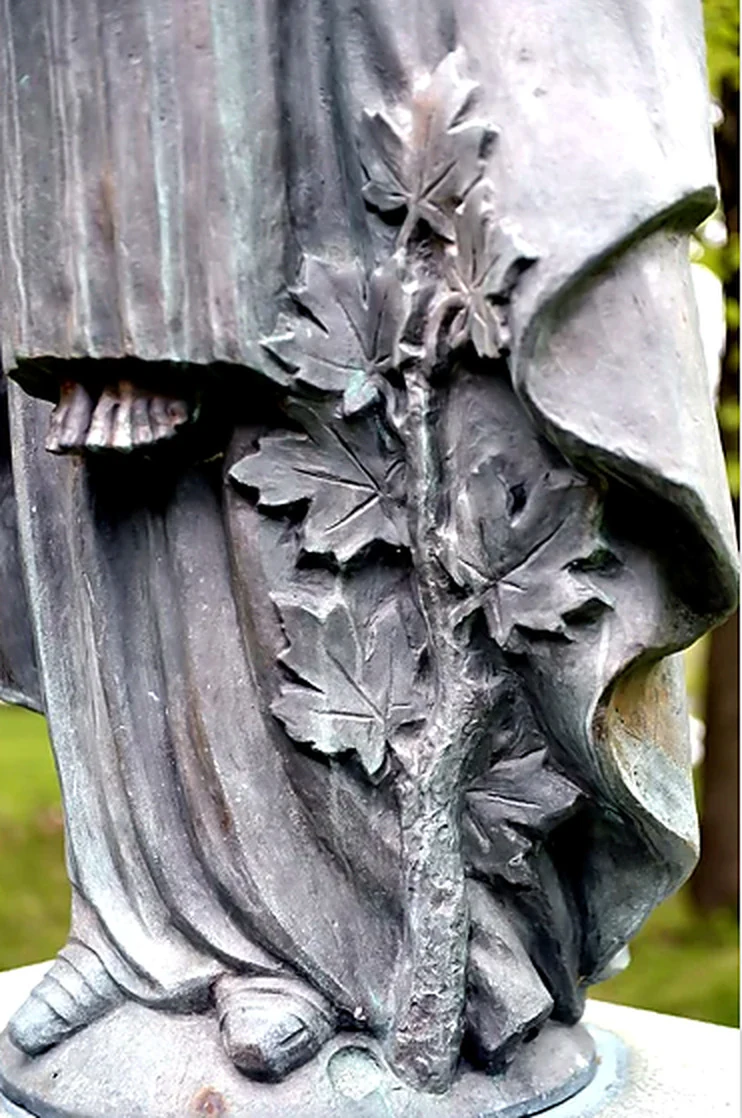
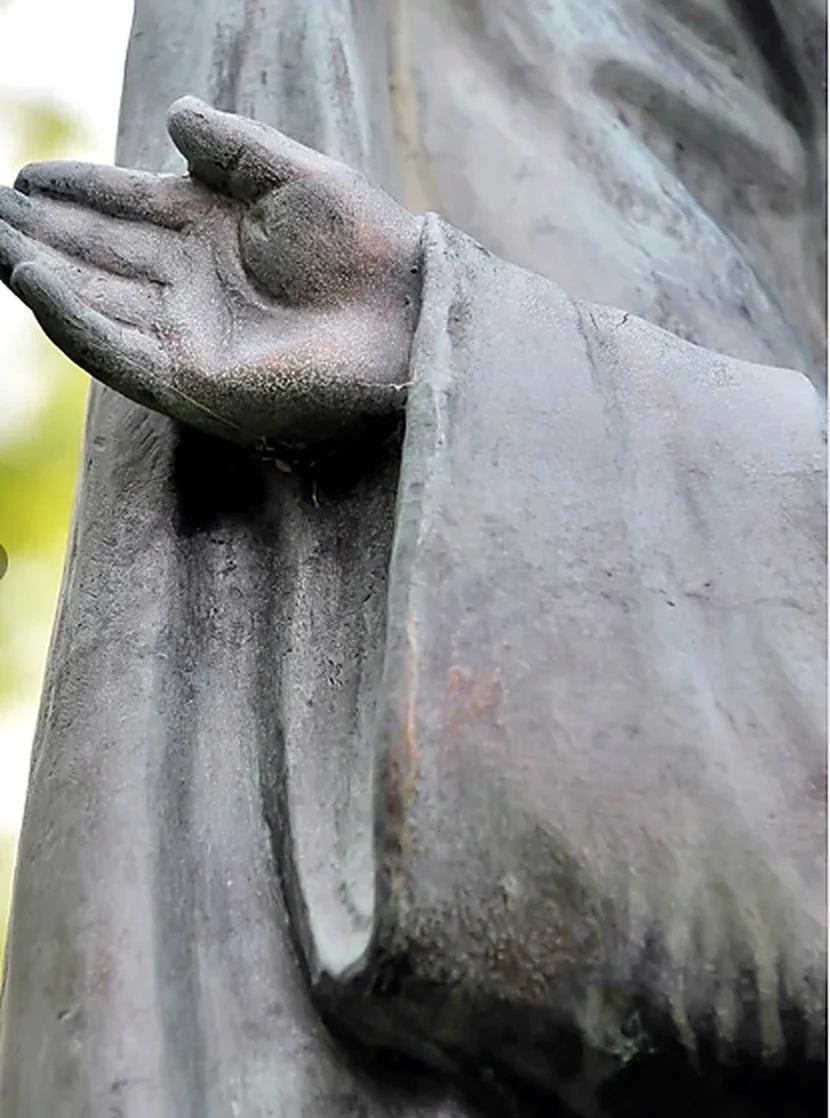
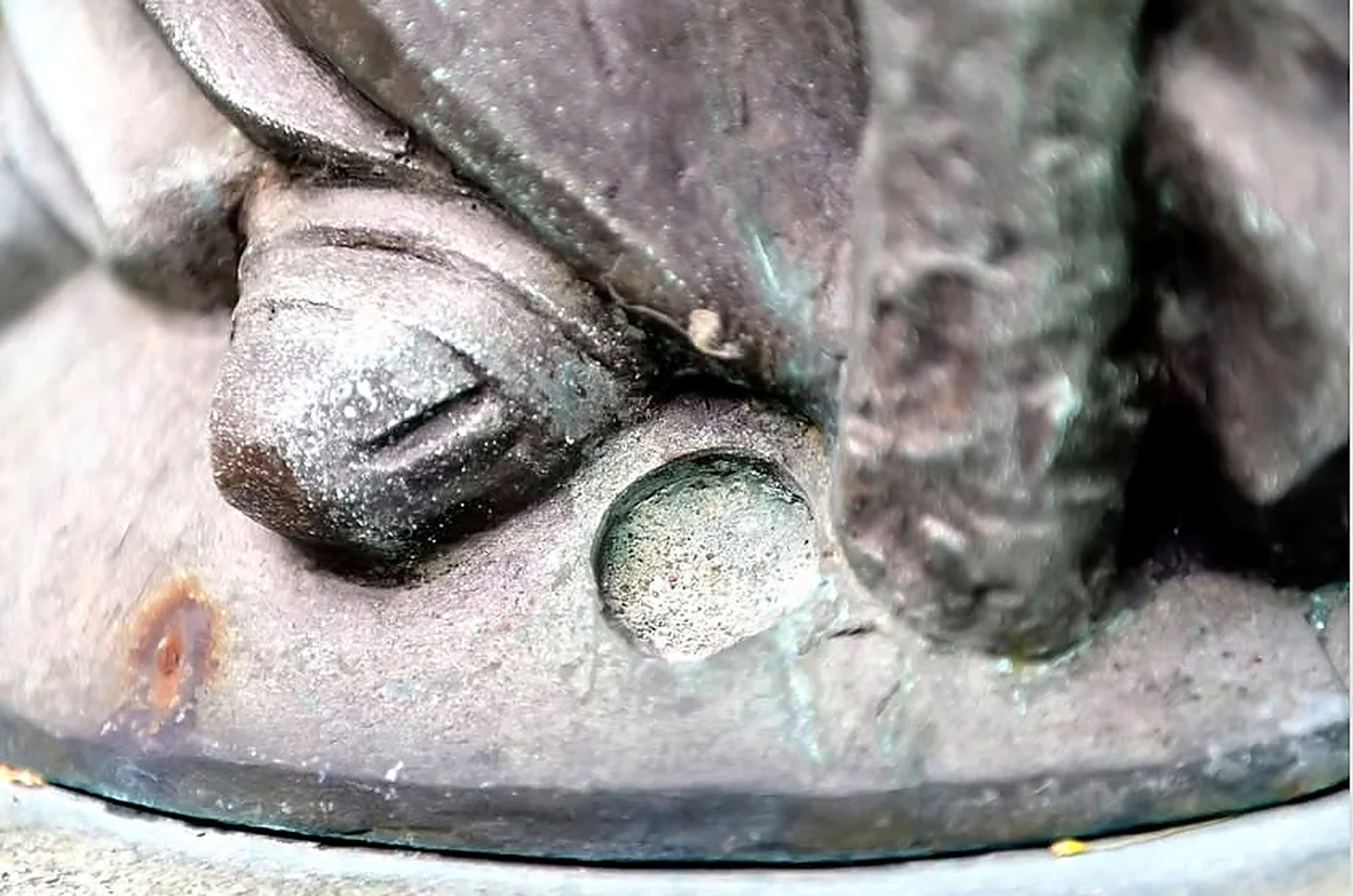
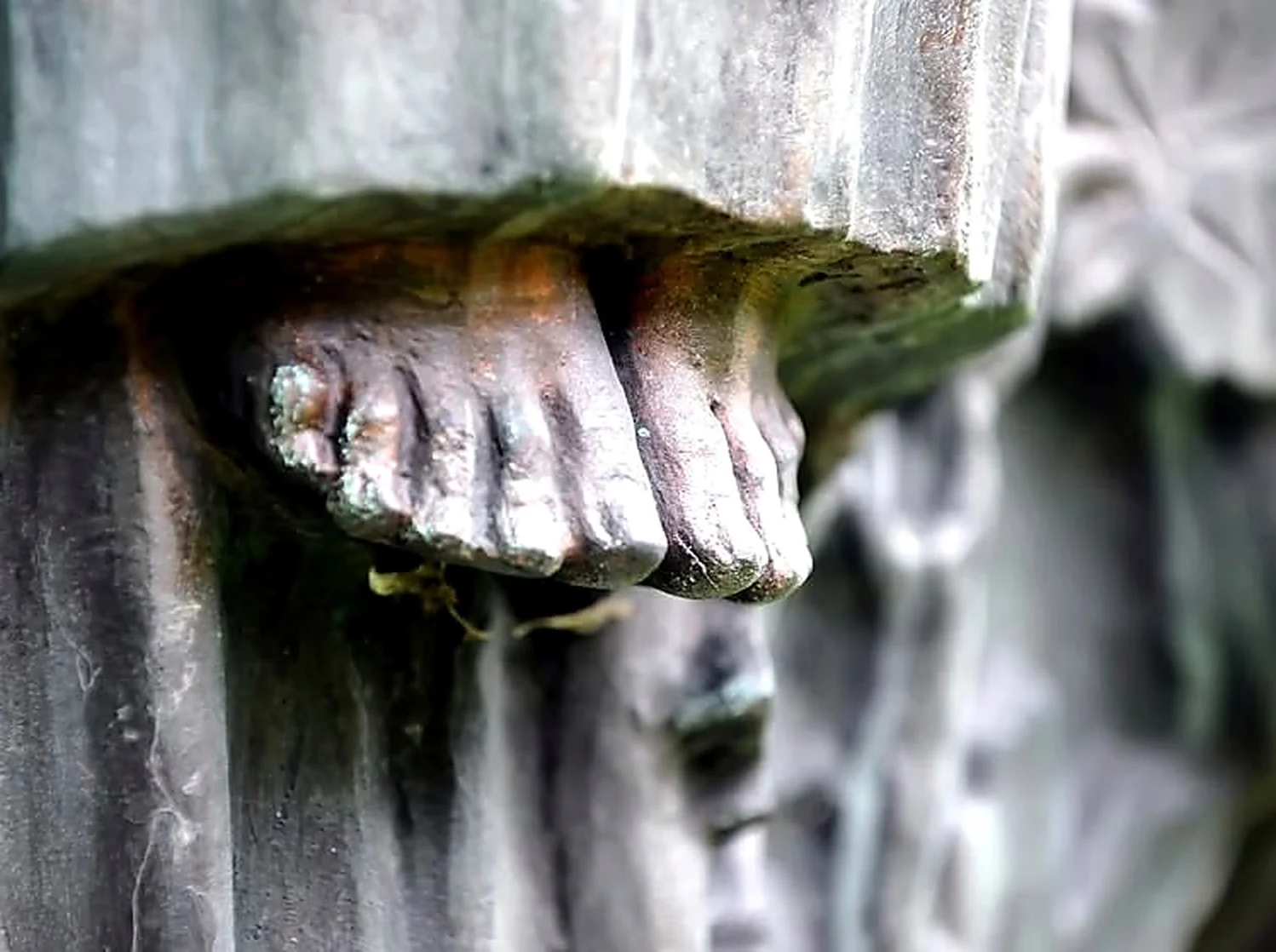
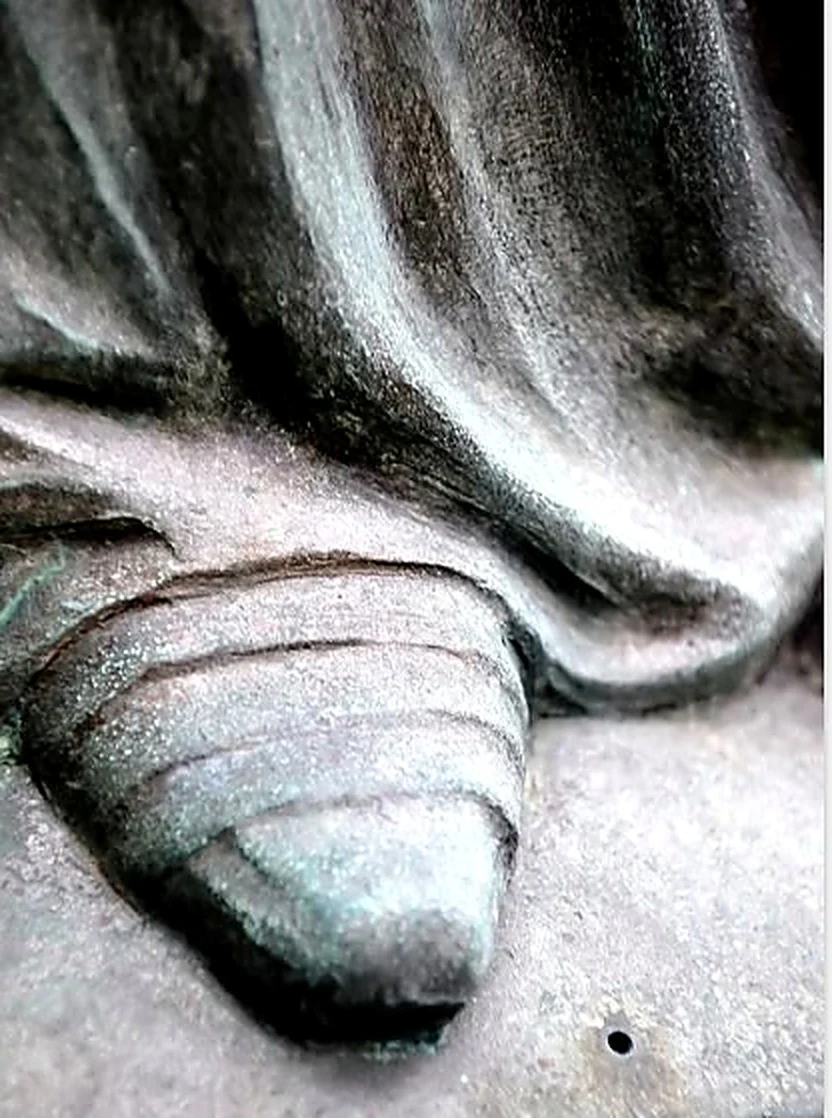
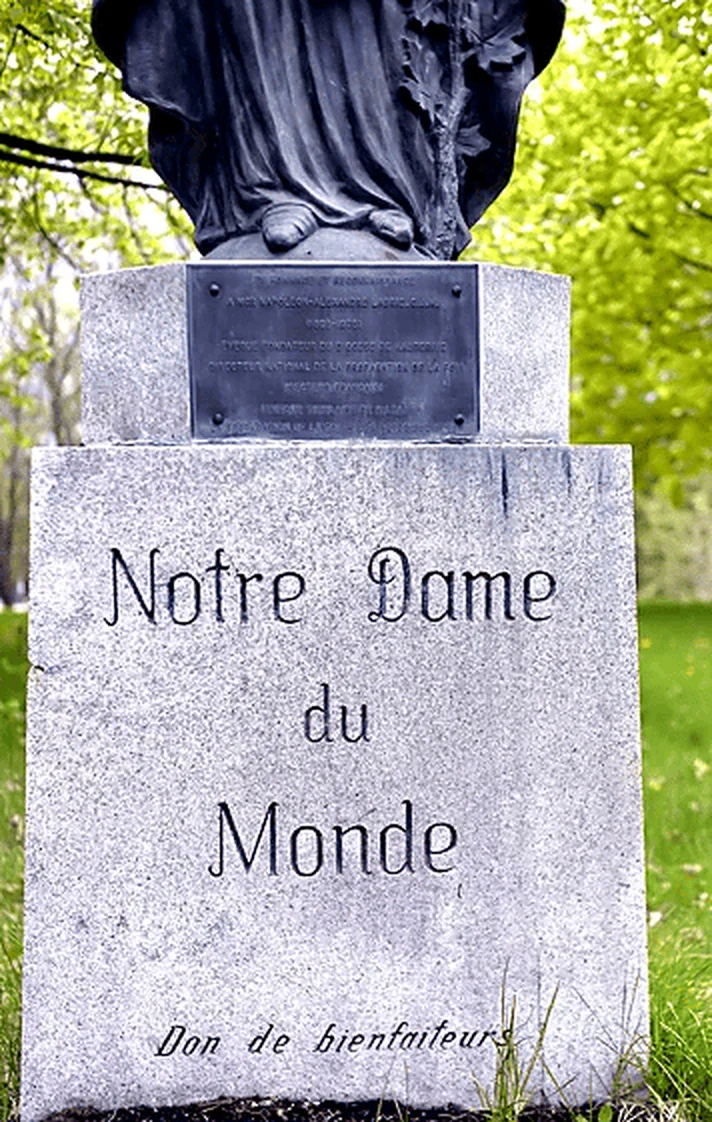
With thanks to Mr. Daniel Abel for these remarkable photographs. They were taken at the Eudist House in Charlesbourg, where the statue was moved at the end of Bishop Labrie’s term with the Propagation of the Faith.
The sculptor
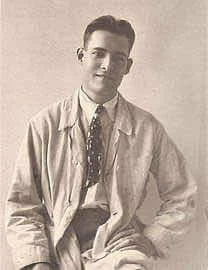
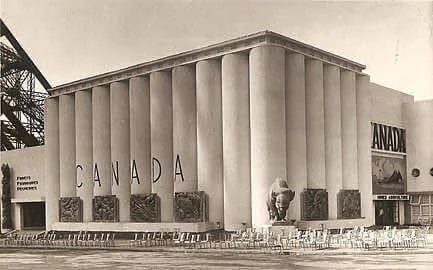
Joseph-Émile Brunet (1893–1977), born in Huntingdon, was one of the leading Québec sculptors of his generation. Trained in Montréal, Chicago, and Paris, he created memorials, public works, and religious sculptures.
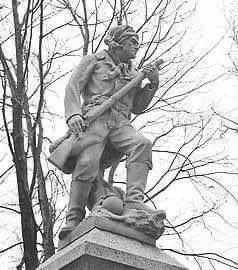
His works include pieces for the Musée de la province de Québec and monuments to Wilfrid Laurier. Our Lady of the World also reflects his contribution to religious art in Québec.
Learn more about Émile Brunet ↗Monuments · Sculpture · Architecture
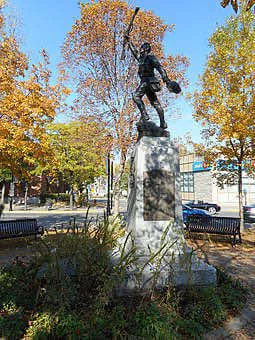
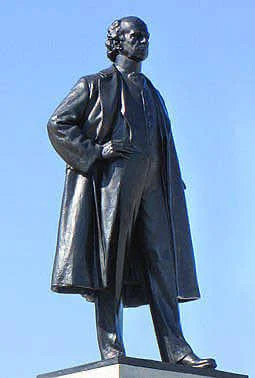
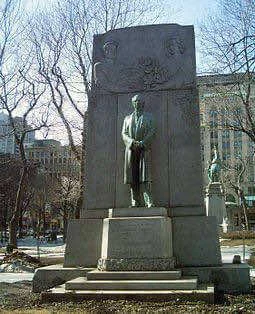
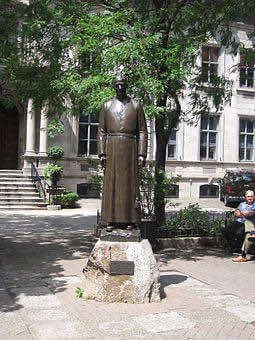
A portrait and public works that place Our Lady of the World in the sculptor’s career.
Sources for this page
The photographs are by Daniel Abel. They were taken at the Eudist House in Charlesbourg and during the statue’s move and installation. Their sharpness, contrast, and resolution were adjusted for this page; the original framing, inscriptions, and scenes have been preserved.